

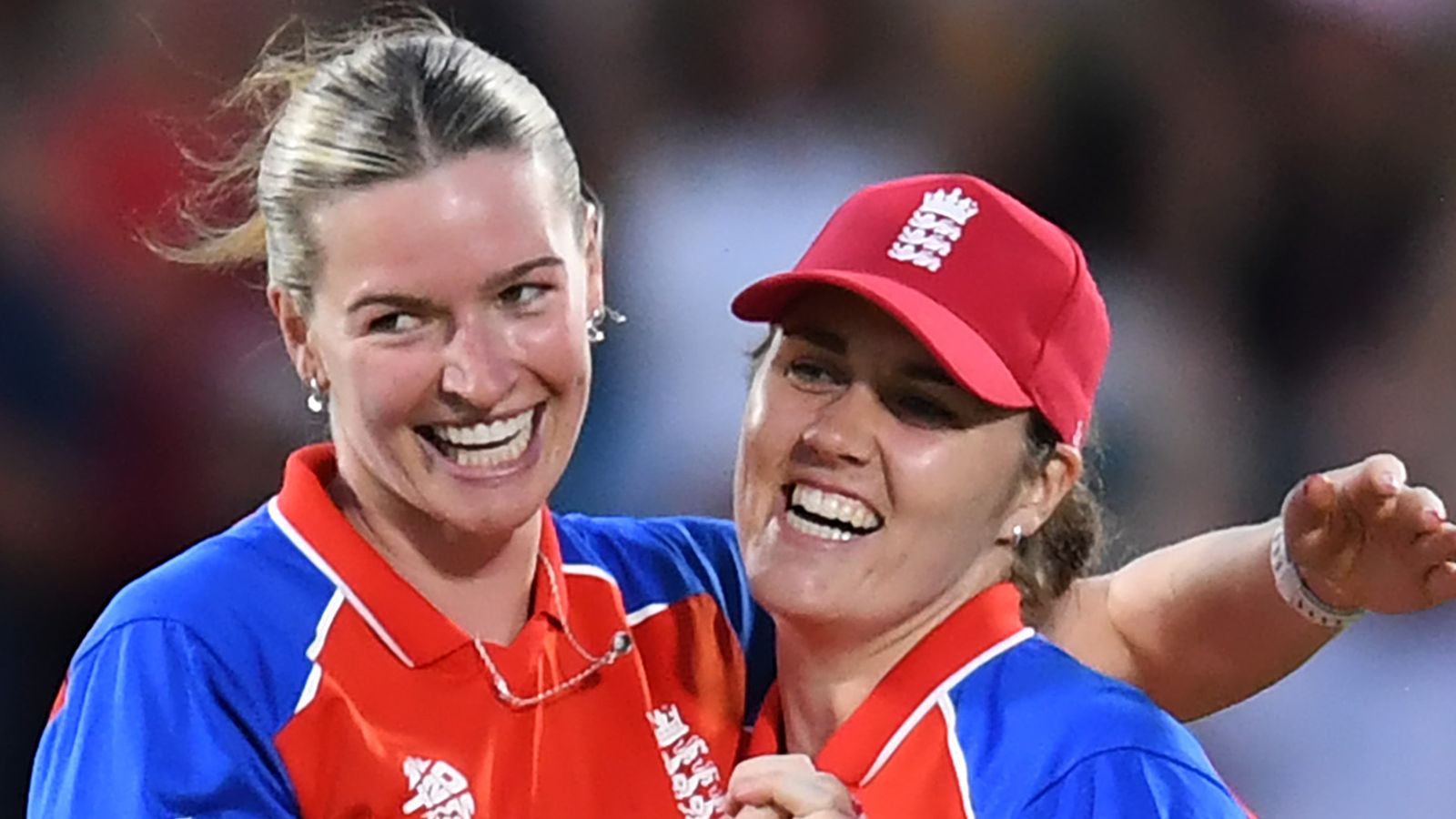
London, July 6: England captain Nat Sciver-Brunt refused to be drawn into retirement speculation after her side suffered a heartbreaking seven-wicket defeat to Australia in the ICC Women’s T20 World Cup final at Lord’s, insisting she is taking her cricketing future “day by day.”
The emotional aftermath of Sunday’s final saw Sciver-Brunt visibly fighting back tears as England’s dream of lifting a home World Cup trophy came to a painful end. Despite producing another captain’s knock with an unbeaten half-century, the experienced all-rounder was left devastated as Australia’s clinical chase secured yet another global title.
With the next Women’s T20 World Cup scheduled for 2028, questions naturally arose about whether the final had been Sciver-Brunt last appearance on cricket’s biggest T20 stage. However, the 33-year-old stopped short of making any definitive announcement, suggesting she still has the desire to continue representing England.
“I haven’t really thought about it,” Sciver-Brunt said after the defeat. “I’m just taking it day by day. I definitely don’t want this to be my last World Cup, but it’s not something I’m thinking about right now.”
A Brave Captain’s Effort
England entered the final carrying the hopes of a packed Lord’s crowd after an impressive campaign under head coach Charlotte Edwards. Their journey included a commanding semi-final victory over South Africa, where Sciver-Brunt overcame a troublesome calf injury to score a match-winning 75.
In the final, England found themselves under pressure after losing early wickets. Once again, their captain stood tall.
Sciver-Brunt anchored the innings with an unbeaten 58, sharing an important partnership with Freya Kemp to guide England to a competitive total of 150 for four. Her innings also created history, making her the player with the most 50-plus scores in Women’s T20 World Cup history.
However, Australia’s experienced batting unit made light work of the chase.
Beth Mooney led from the front with another composed half-century, while Phoebe Litchfield played a crucial supporting role as Australia reached the target with 17 balls to spare to claim their seventh Women’s T20 World Cup title.
Emotions Spill Over
The defeat clearly affected Sciver-Brunt, who had invested everything into England’s home campaign.
Having battled a recurring calf injury throughout the tournament, she returned in time for the knockout stages and delivered whenever her team needed her most. The physical challenge, combined with the pressure of captaincy, made the loss even harder to process.
Speaking after the match, Sciver-Brunt admitted it was difficult to hide her emotions.
England had dreamed of ending a long wait for another global title in front of a sell-out crowd at Lord’s, but Australia’s relentless consistency once again proved decisive.
Injury Battle Behind the Scenes
Sciver-Brunt’s performances become even more remarkable considering the injury problems she endured throughout the tournament.
The all-rounder aggravated a calf strain during England’s group-stage victory over Ireland, forcing her to miss several matches. Intensive rehabilitation helped her return for the semi-final against South Africa, where she immediately reminded everyone why she remains one of the world’s finest all-rounders.
Her resilience inspired England throughout the knockout rounds, but ultimately it wasn’t enough to overcome Australia’s experience in major finals.
Retirement Talk Put on Hold
Although retirement rumours intensified after the final, Sciver-Brunt made it clear she has not reached any decision regarding her international future.
Her comments suggest she still believes she has more to contribute, both as a player and as England captain.
Given her recent form, there is every reason for England supporters to hope she remains a central figure heading into future ICC tournaments.
The next 50-over Women’s Cricket World Cup in 2029 could also remain a realistic target if she chooses to continue playing.
Charlotte Edwards Backs Team’s Progress
Head coach Charlotte Edwards urged supporters to look beyond the disappointment of the final, highlighting the significant progress England have made over the past 15 months.
Since taking charge, Edwards has overseen a rebuilding process that has transformed England into genuine title contenders once again.
She acknowledged Australia remain the benchmark in women’s cricket but praised the fighting spirit shown by her players throughout the competition.
Edwards also hinted that fresh faces could gradually be introduced into the squad as England continue building toward future World Cups.
The emergence of younger players like Freya Kemp has provided optimism despite the final defeat.
A Record-Breaking Tournament
While England fell one step short, the tournament itself represented another major milestone for women’s cricket.
Crowds throughout the competition reached record levels, culminating in a sold-out final at the iconic Lord’s Cricket Ground.
The growing popularity of the women’s game has been evident throughout the tournament, with players receiving unprecedented support from fans and broadcasters alike.
Sciver-Brunt herself acknowledged the incredible atmosphere created by supporters during England’s run to the final, describing the backing as something the players would never forget.
Looking Ahead
For now, Sciver-Brunt’s immediate focus is likely to be recovering physically and emotionally after an exhausting World Cup campaign.
England will soon turn their attention to upcoming international assignments, while discussions about the captain’s long-term future can wait.
Whether she plays another World Cup or not, Sciver-Brunt has already cemented her place among England’s greatest-ever cricketers.
Her performances throughout the tournament demonstrated the qualities that have defined her career—calmness under pressure, remarkable consistency, and an unwavering commitment to the team.
Sunday’s defeat may have ended England’s dream of lifting the trophy on home soil, but it also showcased the resilience of a captain who continues to inspire both teammates and fans.